
This is one client, one market, one first-time Google Ads account. The numbers below come directly from that client's own ad account dashboards. The client's business name is withheld at their request — we're publishing this as a plumbing company in the Denver, CO market rather than by name, which is why you won't find a company name or a signed testimonial on this page. It's also our first published plumbing case study, so there's nothing else on this site to compare it against.
The Situation
This client had never run a paid ad in any channel. Every job on the books came from referrals and word of mouth — a good sign for reputation, a bad sign for predictability. Word-of-mouth doesn't scale on demand, and it does nothing for the homeowner who has never heard of the business and is currently standing in two inches of water at 11pm.
That's exactly why plumbing is one of the strongest fits for Google Ads of any home service trade. A burst pipe or a dead water heater isn't a "maybe next month" decision — it's an emergency search with a near-immediate purchase decision behind it. The homeowner searching "emergency plumber near me" isn't comparison-shopping five contractors over a week; they're calling whoever answers first and looks credible. Local SEO and reviews matter for that same searcher over time, but paid search is the only channel that can put a business in front of that intent the moment it happens — which is exactly why we usually recommend running Google Ads and Local SEO together for emergency plumbing demand: Local SEO builds the organic map-pack presence and review base that earns trust before the emergency happens, and Google Ads guarantees visibility the instant it does, without waiting on rankings to climb.
What We Built From Scratch
Because there was no existing account to fix, we built the structure the right way from day one instead of retrofitting it later. That meant treating "plumbing" as two different buyer intents, not one generic service category:
Planned Installation campaign: built around water heater replacement, repiping, and fixture installs — a more considered purchase where trust signals and pricing clarity matter more than speed alone.
Each campaign got its own dedicated landing page instead of funneling every click to one generic "contact us" page. That distinction matters more than it sounds: an emergency searcher and a homeowner planning a water heater swap are looking for different proof before they act, and a single page trying to serve both ends up convincing neither as well as it could.
Emergency Services Campaign
- 130 leads generated in 30 days
- $54 cost per lead
- Keywords built around burst pipes, no hot water, no heat, and sewer backups
- Landing page led with a click-to-call number, not a form
- Licensed & insured badge and review count placed above the fold
- Fastest lead velocity of the two campaigns, as expected for urgent search intent
Planned Installation Campaign
- 90 leads generated in 30 days
- $85 cost per lead
- Keywords built around water heater replacement, repiping, and fixture installs
- Landing page led with a short quote-request form, callback button still first
- Financing and warranty trust signals placed above the fold
- Higher cost per lead reflects a longer, more considered buying decision
Landing Pages Built for Speed and Trust, Not Just Clicks
Both landing pages were built around the same three priorities, in this order: load fast, put trust signals above the fold, and make calling easier than filling out a form. That last point mattered most for the emergency page — an instant-callback button was prioritized over a long contact form, because a homeowner with water on the floor isn't going to type out their address, problem description, and preferred callback window before someone else answers the phone first.
Trust signals — licensed and insured status, review counts, years in business — were placed above the fold on both pages rather than buried further down, since a first-time visitor has no prior relationship with this business to lean on. For a client with no paid-ads history and no existing brand recognition, that above-the-fold trust layer is doing work a bigger, more established competitor gets for free.
Lead Handling: Speed-to-Lead on Autopilot
None of the campaign structure above matters if a lead calls in and nobody answers for twenty minutes. CRM automation handled the incoming lead flow end to end: every call and form fill routed into a pipeline with immediate response automation, so a lead coming in at 2am from a burst-pipe search still got an instant text acknowledgment and a callback trigger, rather than sitting unanswered until business hours. For a first-time advertiser with no existing intake process built around paid lead volume, that automation is what keeps a $54 emergency lead from going cold before anyone calls it back.
The Results, By The Numbers
220 leads came in across both campaigns in the first 30 days, blending to a $67 cost per lead overall — $54 on the Emergency Services campaign, $85 on the Planned Installation campaign. That blended figure comes from roughly $14,670 in total ad spend over the month (130 × $54, plus 90 × $85).
Here's the ROAS math laid out plainly, the same way we'd want a client to see it rather than a single flattering headline number: at an average job value of $850 and a conservative 30% close rate on the 30-day lead pool — conservative because a chunk of the planned-installation leads were still in follow-up rather than closed by day 30 — that's roughly 66 booked jobs. 66 jobs × $850 is about $56,100 in revenue against $14,670 in spend, which works out to roughly 3.8× return on ad spend in the first month of a brand-new account with zero prior paid-ads history. That number is likely to climb as the remaining planned-installation leads — the ones with a longer sales cycle by nature — continue closing in the weeks after the 30-day window closed.
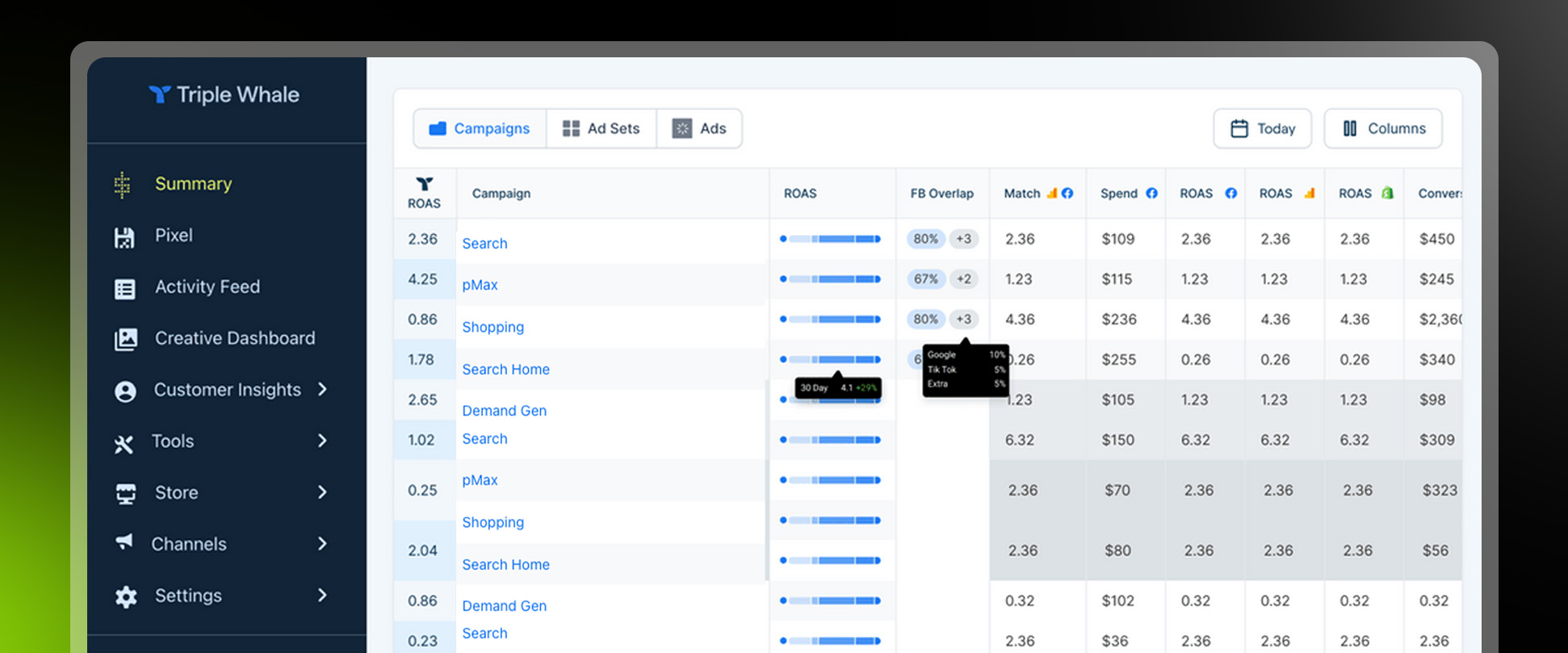
Placeholder dashboard export — to be replaced with the client's actual Google Ads / CRM attribution screenshot before this page goes live.
"We'd never spent a dollar on ads before this. Every job we'd ever gotten came from word of mouth, so handing someone a budget to go find strangers felt backwards. Thirty days in, the phone was ringing from people who'd never heard of us before — not just more calls, but calls that turned into actual jobs on the schedule. I wish we'd started years ago instead of waiting for referrals to fill the calendar."
What We Wouldn't Claim
This is one client's first month, not a mature account average. First-30-day numbers on a brand-new account tend to be noisier than month three or four, once negative keyword lists and bid strategy have had time to mature.
The 3.8× ROAS figure uses an estimated close rate, not final booked-revenue data. We're using a conservative 30% close rate on the lead pool, and a number of planned-installation leads were still mid-follow-up when this 30-day window closed — the real figure could land higher, but we're not claiming it did until it's confirmed.
$54 vs. $85 cost per lead isn't a verdict on which campaign "won." Emergency and planned-installation intent convert on different timelines and at different job values — comparing them on cost per lead alone misses that a planned-installation lead is worth more per job even at a higher acquisition cost.
The client isn't named. We're publishing this with their industry and market instead of their business name, at their request. If verification matters to you before working with us, ask us directly — we can speak to the results without disclosing the client.
What This Means If You've Always Relied on Referrals
Most established plumbing businesses got where they are on reputation alone, and there's nothing wrong with that — it's a real asset, and it's cheaper than any ad platform will ever be. The problem is what it can't do: it can't reach the homeowner who's never heard of you and is searching for help right now, and it doesn't scale on a schedule you control. A slow month isn't a marketing problem when referrals are your only channel; it's just what happens when fewer people happened to need a plumber and mention your name to a neighbor.
What this account shows isn't that referrals stop mattering — it's that a plumbing business can add a second, controllable demand channel on top of referrals without gutting the trust that built the business in the first place. 220 leads and an estimated 66 booked jobs in month one, from an account that didn't exist 30 days earlier, is what "controllable" looks like in practice: spend goes up, leads go up, on a timeline you set rather than one word of mouth sets for you. If you want to see what an account built the same way would look like for your business, that's exactly what a free audit is for — and you can see how this compares to other trades in our full case study library.